
Health Begins in the Mouth!
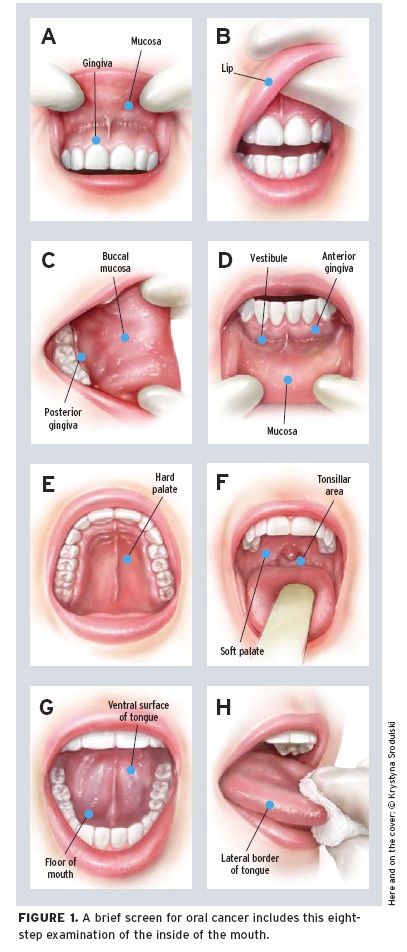
Oral cancer (Oral Squamous Cell Carcinoma) is the sixth most common cancer in the world.There will be over 650,000 newly diagnosed oral cancer cases worldwide in 2016 and over 50,000 newly diagnosed cases in the United States alone.
In the spectrum of cancer survivability, oral cancer falls towardsthe moredangerousend. Whileearly detection causes survivability and non-radical treatment to skyrocket to over 90%,most patients (70%)unfortunatelyare diagnosed at late stages 3 or 4. Treatment at those later stages isoften terribly disfiguring. It involvesradical surgery (removing the patient’s mandibleandoften some of the tongue)followed by chemotherapyandradiation therapy. That course of treatment also makes it one of the more expensive cancers to treat. Further, about 65% of those with late-stage diagnosis never return to work.
A new salivary-based genetic testdeveloped in a collaborative effort between NIH, UCLA, world-renowned scientist Dr. David Wong and a small company namedPeriRxwill completely change the dynamic of oral cancer detection–which up until now hasprimarilybeenperformed by dentistsusingunreliable visual techniques.With salivary diagnostics, the early-detection processcan now begreatlyenhancedwith a simplelaboratory testof a saliva samplebased on genetic markers developed to identify oral cancer.
This willdramatically increasethe likelihood not only of survival butalsoof survivalwithoutterribly disfiguring surgery.Salivary-based diagnostics, as contrasted with blood-basedtesting, has yet to be highlightedin the media–even thoughits impact on oral cancer detection is quite remarkable.
Ask your dental health professional about this test or follow this link… PeriRX.com